Affordable 24 Hour Roadside Assistance Houston for Drivers in Need
Professional Tire Solutions: Return to Driving With Safety and Speed
Professional tire services play a crucial role in guaranteeing vehicle protection and performance. Skilled technicians perform in-depth inspections to pinpoint different tire problems. From flats to balance issues, every problem requires careful consideration. Knowing when to get professional support can prevent additional setbacks. As drivers deal with these hurdles, they might consider about the optimal repair options and maintenance routines. Looking into these matters can result in sound choices and more secure travels moving forward.
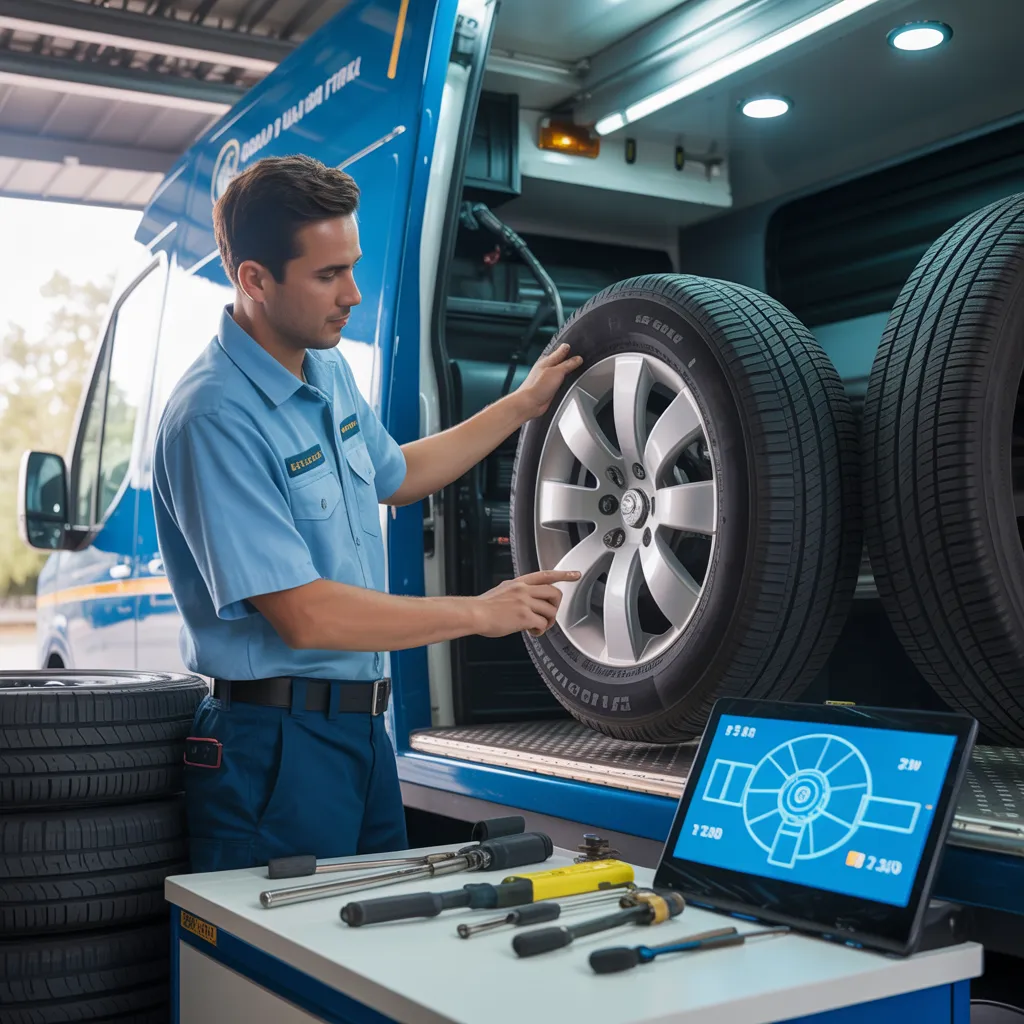
General Tire Obstacles to Keep in Mind
When motorists ignore their tires, they may face several common issues that can undermine safety and performance. One frequent occurrence is underinflation, which can lead to increased tire wear and lower fuel efficiency. Over time, this can lead to the tires to overheat, raising the risk of a blowout. Another common problem is tread wear, which impacts traction and handling, particularly in wet conditions. Uneven wear may indicate alignment or suspension issues, requiring further inspection. Additionally, drivers may experience punctures or sidewall damage from road hazards, resulting in slow leaks or complete tire failure. Routine tire maintenance including rotations and inspections with correct inflation are vital for preventing these issues. Finally, environmental conditions can also cause tire degradation, making it vital for drivers to monitor their tire health. By identifying these common problems, drivers can boost their safety on the road.
Recognizing When Your Tires Need Repairs: How to Tell?
ongoing requirement for topping up also indicates that repairs may be needed.
Motorists should be mindful of handling and performance changes, such as shudders or pulling to one side, which could indicate tire imbalances or internal damage. Lastly, regularly assessing tread depth is essential; tires with sections of wear impact traction. By observing these signs, drivers can assure timely repairs, boosting both safety and vehicle lifespan. Quickly addressing these issues not only avoids potential accidents but also reduces more costly repairs later.
A Guide to Learning About the Tire Maintenance Process
The tire fixing process typically involves several crucial steps to guarantee safety and effectiveness. Initially, a technician copyrightines the tire for visible damage and assesses its general condition. This copyrightination helps determine whether the tire can be repaired or needs replacement. Following the inspection, the technician may remove the tire from the wheel to identify punctures or internal damage.
Once any problems are found, the technician cleans the damaged area and prepares it for restoration. This may involve installing a patch or insert, depending on the type and location of the harm. After the repair is finished, the tire is remounted and correctly inflated to the manufacturer's requirements.
Finally, a quality assessment validates that the work adheres to safety standards. Throughout the workflow, service professionals focus on communication, informing the patron of findings and advice. This structured approach guarantees a trustworthy restoration, permitting drivers to return to the road with peace of mind.
DIY Tire Correction Measured against Professional Intervention
Upon understanding the tire repair process, many motorists may contemplate whether to handle fixes independently or seek professional help. DIY tire fixes can be appealing, especially for those with basic mechanical abilities and equipment. Basic perforations can often be repaired using restoration kits found at auto retail stores, reducing both time and money. However, this strategy involves dangers if proper procedures are not followed, likely leading to additional damage or security hazards.
Conversely, professional tire repair services offer expertise and advanced tools. Skilled professionals can accurately assess tire deterioration, ensuring repairs remain both effective and secure. They can also identify underlying issues that a DIY approach might miss. In the end, the decision regarding DIY repairs versus professional assistance relies on the driver's confidence, experience, and the severity of the tire damage. Making an informed decision is crucial for maintaining safety while driving.
How to Choose the Best Tire Repair Service
How can motorists guarantee they choose the top-rated tire maintenance service? First, they should investigate nearby options, focusing on customer testimonials and scores. This information offers insight into the service quality and dependability of various shops. Next, verifying for credentials and partnerships with recognized automotive organizations can indicate professionalism and professionalism.
Furthermore, operators should inquire into the range of repair options available, confirming the shop can tackle their unique tire concerns. Clear pricing structures is also important; reliable establishments deliver straightforward quotes without undisclosed charges.
Moreover, analyzing the shop's repair guarantees on repairs can give reassurance. Finally, convenience matters—distance from your residence or job, as well as business hours, can determine the decision. By evaluating these considerations, drivers can confidently pick a auto repair shop that satisfies their needs effectively.
Importance of Attentive Tire Upkeep
Regular tire upkeep offers many benefits that extend the life span and performance of tires. By routinely checking tire pressure, tread wear, and general state, vehicle owners can ensure ideal traction and control. Correct air pressure reduces wear, improving fuel efficiency and reducing costs at the pump. In addition, regular inspections can help detect problems such as irregular deterioration or damage, allowing for timely repairs that avoid more significant problems down the road.
Properly maintaining your tires also raises safety by reducing the risk of blowouts or accidents from insufficient tread. Furthermore, a well-serviced set of tires provides a smoother ride, raising comfort for both driver and passengers. Spending time on regular tire maintenance allows individuals to gain the value of their investment, guaranteeing reliable performance and peace of mind while driving. Finally, maintaining tires regularly is a crucial element of being a responsible vehicle owner.
Tips for Avoiding Future Tire Problems
Maintaining tires actively can markedly lessen the likelihood of forthcoming troubles. Often assessing tire pressure is vital; low tire pressure can lead to untimely wear and reduced fuel efficiency. It is advisable to inspect tires for observable wear, such as cuts or bulges, which may denote structural concerns. Repositioning tires every 5,000 to 8,000 miles helps confirm balanced wear, extending their lifespan.
Additionally, keeping correct alignment and balance is critical to avoid uneven tread wear. Drivers should also monitor tread depth, employing the penny test as a basic method; if Lincoln's head is visible, it's time for a new tire. Finally, preventing excessive loading of the vehicle can prevent excessive strain on tires. By implementing these strategies, vehicle owners can enhance tire longevity and support a safer driving experience.

Frequently Asked Questions
How long does a typical tire fix take?
A typical tire repair typically involves between 30 minutes to an hour determined by the amount of damage and the particular repair needed. Variables like technician presence and shop workload can also influence the timeframe.
Are All Wheel Varieties Fixable?
All tire types important guide cannot necessarily be repaired. As a rule, punctures in the tread of passenger tires may be repairable, but sidewall damage, critical wear, or tires with various prior repairs frequently necessitate new tire installation to guarantee safety.
Understanding the Expense of Getting Your Tires Repaired?
Tire repair costs typically span from $10 to $30, determined by the extent of damage and location. Various considerations including tire variety and the service provider could determine your final cost, making prices fluctuate.
Does Your Insurance Cover Tire Repair?
Damage protection for tires differs depending on your insurance policy. Some plans supply roadside assistance or repair expenses, whereas others do not this coverage. It's vital for people to copyrightine their specific policy terms to identify what coverage applies to tire repairs.
What Ways Can Allow Me to Extend My Tire's Longevity?
To lengthen a tire's lifespan, regular maintenance is essential. This encompasses maintaining proper tire pressure, performing regular tire rotations, ensuring proper alignment, preventing overload conditions, and inspecting tread depth for signs of wear or damage.